
Caring for someone with heart failure: a carer's guide.
When Gareth was diagnosed, I became his carer overnight, without any idea what that meant. If you're supporting a partner, parent or friend, this guide covers how to help day to day, what to watch for, and how to look after yourself too.
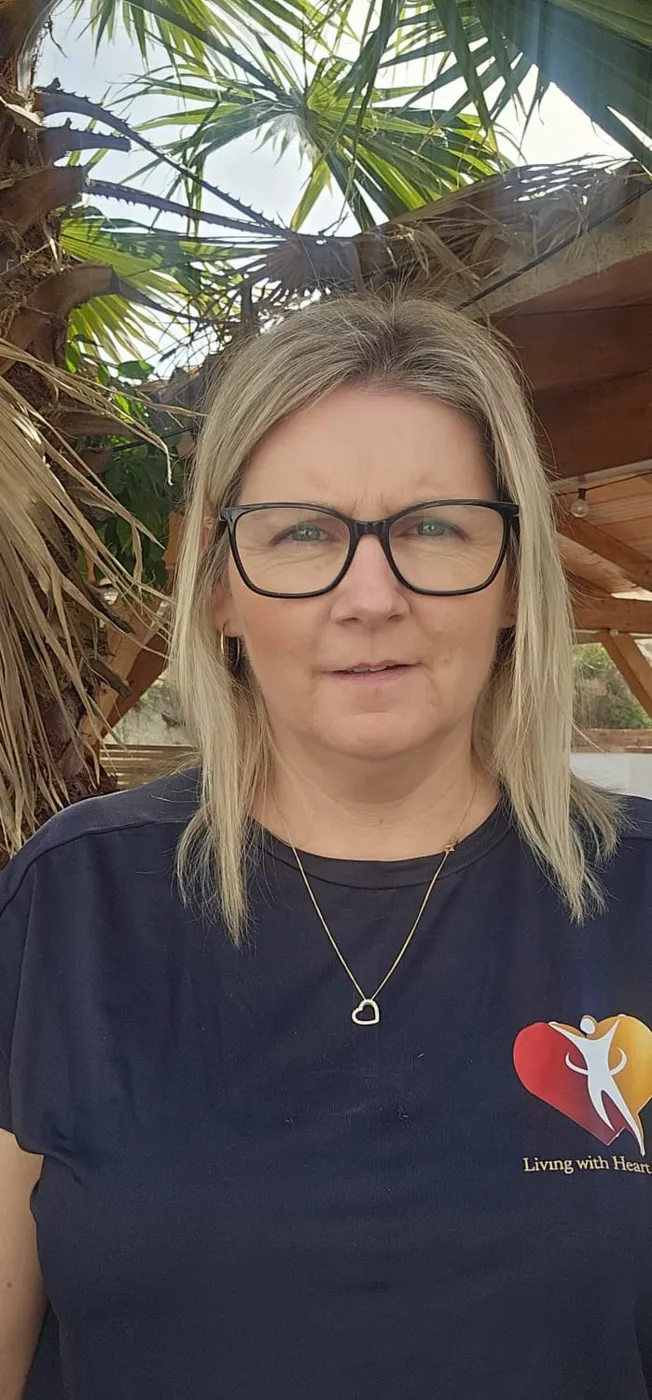 By Katrina Robinson
Updated
5 min read
In short
- You're an important part of the care team. Go to appointments together and ask questions.
- Help with routines like medicines and daily weighing, while letting your loved one stay in charge where they can.
- Learn the amber and red warning signs so you both know when to call for help.
- Your own health and wellbeing matter. Ask for support before you reach breaking point.
You're part of the team
Carers often notice changes first: the extra pillow, the slower walk to the car, the meal left half-eaten. That makes you a valuable part of the care team, even if nobody has said so.
- Ask whether you can go to appointments together. Two sets of ears remember more than one.
- Keep a shared list of questions, medicines and contact numbers.
- Ask who to call with concerns, including out of hours, and keep that number somewhere visible.
- With your loved one's agreement, ask the care team to include you in conversations about their treatment plan.
Helping with medicines
Heart failure treatment often involves several medicines, with doses that change over the first few months. It's easy for anyone to get confused.
- A weekly pill organiser and phone reminders make routines easier for both of you.
- Keep an up-to-date medicines list and bring it to every appointment.
- If you notice side effects, such as dizziness on standing, write them down and mention them to the care team. Don't stop or change medicines without their advice.
- Check with a pharmacist before buying any over-the-counter remedy or supplement.
Daily checks together
Daily weighing and a quick symptom check are among the best ways to catch problems early. They can also become a simple, reassuring routine you share, rather than something that feels like nagging.
Weigh at the same time each morning, after the toilet and before breakfast. Our free Daily Heart Check takes about a minute, flags sudden weight gain and keeps a private log you can show the care team.
Where possible, let your loved one do their own checks and decide what to record. Staying in charge of their own health protects their confidence and independence.
Warning signs to know
Weight up 1 kg (2 lb) overnight or 2 kg (4 lb) over three days, or whatever limits their team has given. Also more breathlessness with everyday activity, more swelling in the ankles, legs or tummy, needing more pillows or waking breathless, a new persistent cough, dizziness, or being much more tired than usual.
Severe breathlessness at rest, chest pain that doesn't ease with rest or their prescribed medicine, fainting or collapse, coughing up pink or frothy mucus, or new confusion.
Encouraging, not overprotecting
When you love someone, it's natural to want to wrap them in cotton wool. I felt that pull with Gareth. But doing everything for someone can slowly take away their strength and confidence.
- Find out from the care team what level of activity is safe, and encourage that, not less.
- Suggest doing things together: a short walk, gardening, cooking a heart-friendly meal.
- Celebrate small wins. Walking to the end of the road and back is progress.
- Encourage cardiac rehabilitation if it's been offered. Many programmes welcome family members to some sessions.
On food and fluids, follow the advice their care team gives on salt and drinks. Cooking from scratch, together where possible, makes it easier to manage salt without meals feeling like a punishment.
Emotional changes
Fear, frustration, sadness and loss of confidence are all common after a heart failure diagnosis. Your loved one might become withdrawn, irritable or anxious about doing things they used to enjoy.
You don't need to fix these feelings. Listening without rushing to reassure often helps more than you'd expect. If low mood or anxiety continues, encourage them to talk to their GP or care team. Our guide to coping with anxiety after a diagnosis has practical techniques you can try together.
Looking after yourself
Caring can be exhausting, physically and emotionally. It's not selfish to look after yourself. It's what makes caring sustainable.
Watch for signs of carer strain
- Feeling constantly tired, tearful or on edge.
- Struggling to sleep because you're listening out for them.
- Losing touch with friends, hobbies or your own health appointments.
- Feeling resentful, then guilty for feeling resentful.
Ways to lighten the load
- Accept practical help. When people ask what they can do, give them a specific task.
- Ask your GP or local services what support is available for carers where you live.
- Connect with others who understand. Our Facebook group is open to patients and carers.
- Keep one small thing each week that's just for you.
Looking after yourself isn't time taken away from them. It's what lets you keep showing up.
Common questions
How can I help someone with heart failure day to day?
Help with routines such as medicines and daily weighing, go to appointments together, learn the warning signs, and encourage safe activity. Let them stay in charge of their own care wherever possible, and look after your own wellbeing too.
What should carers watch for in heart failure?
Watch for sudden weight gain, increasing breathlessness, more swelling in the ankles, legs or tummy, needing more pillows, a persistent cough or unusual tiredness. These mean calling the care team the same day. Severe breathlessness at rest, chest pain that doesn't ease, fainting or confusion need an emergency call.
Where can carers of people with heart failure get support?
Start with your GP or the heart failure team, who can tell you about local carer support. Talking to others in the same situation helps many people, and our membership includes caregiver resources, with full caregiver coaching on our Tier 3 programme.
Clinical hypnotherapist, acupuncturist and holistic practitioner (Dip. Hyp. EMHA GQHP GHR). Katrina cared for her husband Gareth through his heart failure diagnosis and recovery, and brings both perspectives, professional and personal, to the carers she supports. Read our story.
This guide shares lived experience and general information. It does not replace advice from a GP, cardiologist or heart failure team.